
A poem in X parts.
This piece is made of scraps—lines I kept in notebooks, typed into my phone, left half-finished in margins over many years. I didn’t try to force a throughline, I just followed the tone and the emotional weight of things that stuck around.
It moves like memory: non-linear, repetitive, contradictory, occasionally cinematic. What’s left: the things that linger, loop, and found ways to survive.
The Shape It Takes
I. Origin Logic
My body is an heirloom
of ancestors.
She knit me out of her womb—
a heart for the hurting,
loyalty like bound limbs.
My body: the story that had to be written.
By the end: I must be come the person
I’d always needed around,
become the feeling that we can’t describe (which is love).
At night I liked to sleep nearby.
I’d nudge her gently in the leg,
softly at first, then harder,
until I heard her breath catch
for just a moment.
I’d listen for her consciousness,
comforted in our closeness,
and lie as I must have as a baby.
How old were you when you discovered your mother was human?
II. Submerged
I saw a body in the water
on my train ride visiting home.
From a distance,
the telephone towers look like dress forms—
the full bottoms, the pinched middles.
Colored rusted orange: Fall-perfect.
The men in the boats wave at the train
as we pass, reeling in fishing lines,
cigarettes dangling.
In the darkness, the train has gone under—
the windows are in the water.
Constellation of lights,
clusters of suspended lanterns.
Above the fluorescent moon is watching me.
A cold hand against a warm, red chest.
My reflection is deadly still.
III. Foundations
The ground swells
under shark-shaped clouds.
Without a storm cellar,
I let the tornado lift my body and
twirlandtwirlandtwirl
before dropping me back on my feet.
I spent years running from the look
in eyes when angry.
Back now,
you still remind me of being little,
jumping off three stairs in blanket capes—
someone always ended up crying.
I keep all of our old children’s books on my bookshelf,
packing and repacking them with every move.
He sees them now, after all this time.
“I’ve read all those. Those were mine first.”
Parallel lines have so much in common—
a shame they never meet.
Overlapping pasts for nothing.
He never liked to share.
IV. Forecast
It’s possible you’ve found it before
and forgot you found it
and then found it again.
With distance from a memory,
everything combines to make a unique imprint
of an unnamable feeling.
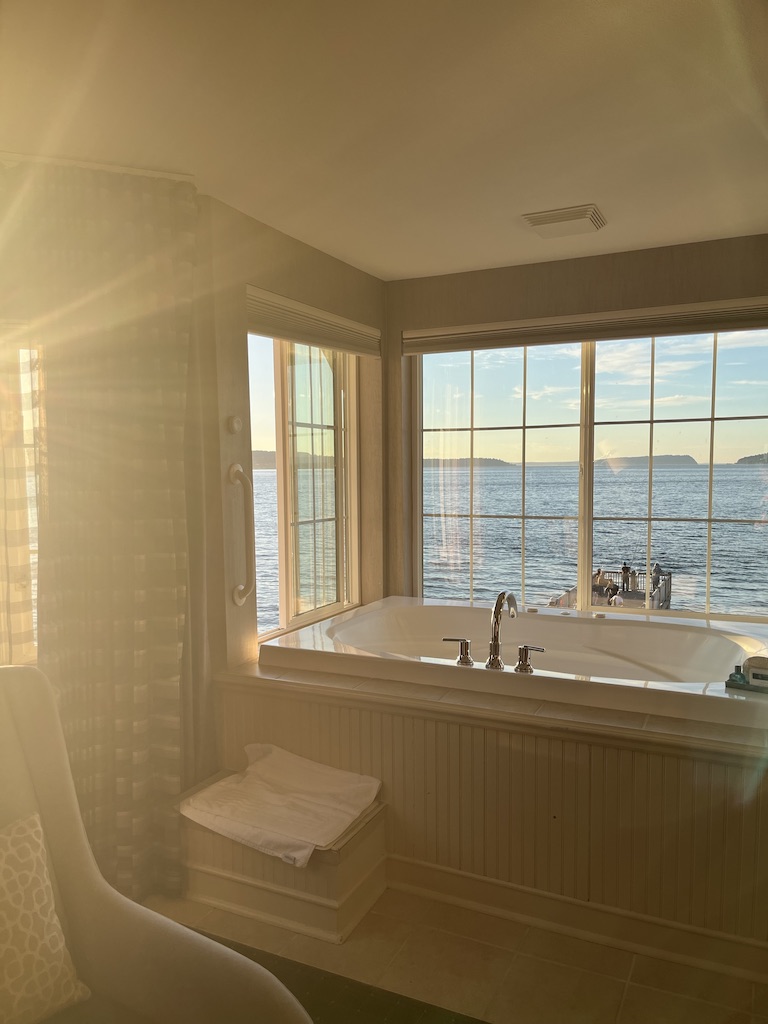
We all went into the water with our clothes on.
Field of wild blossoms,
outlined in the shadows of the afternoon sun.
Sweet watermelon, like cold cotton candy on my tongue.
In the night, the pond water
mixes with our salt-sticky sweat, and never seems to dry—
the humid air lingers,
making batter of our limbs.
I figured something out about you,
but I keep it to myself.
On our drive back past Kinderhook Creek,
I follow the lightning bugs—
blinking Christmas lights—
into the meadows,
and I imagine they come in all the colors.
If you have a daughter,
I will teach her how to swim,
in a thick-watered lake, shore to shore.
V. City Dreams
On the subway:
this woman—
a walking painting.
Red cap, blue coat, whistle song.
The colors bleed right to the ground
when it rains,
like when we watch the sewer-fog rise
and the bricks of buildings drip sweat.
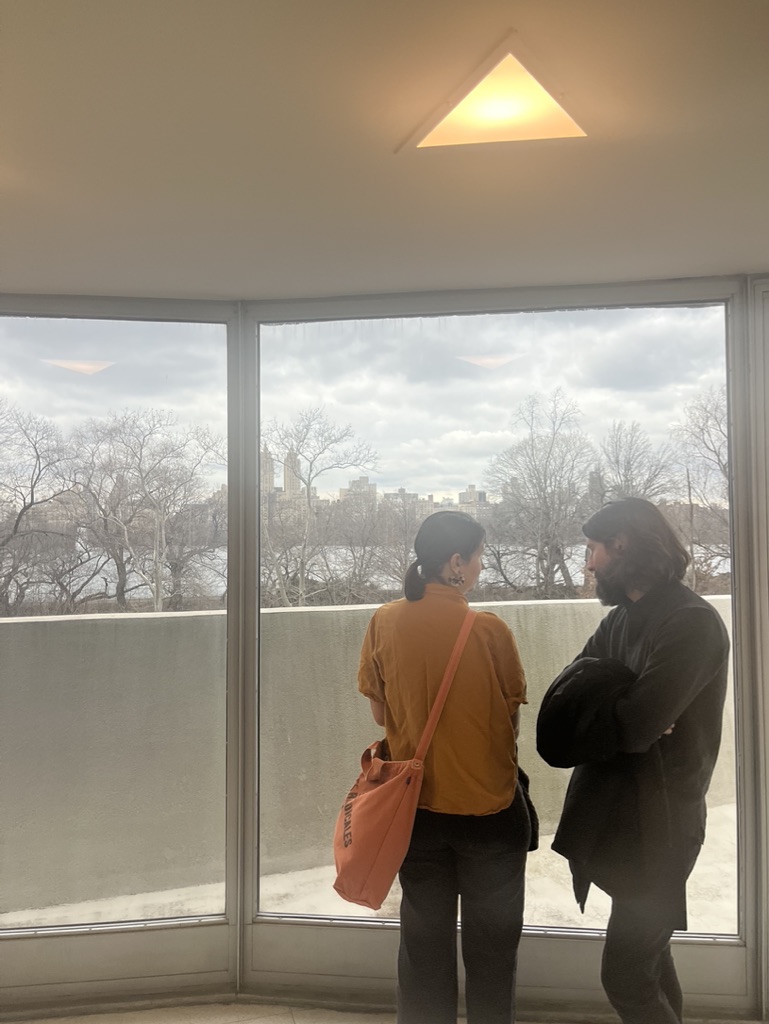
We stood on the balcony with a perfect view,
but I missed the pulse of the crowd below,
swaying like a connected wind-blown sheet,
shouting the words and making one voice.
The bassist was beautiful,
and each time he strummed,
he looked surprised at the sound—
surprised even that he was holding an instrument,
as if he had recently awoken from a long dream
to find a bass guitar in his hands.
Later we walk diamond-shiny sidewalk glass.
The Empire State Building, colored yellow,
the fog sitting on the building’s highest third.
That night, New York was a mother-hug.
(Still, I like it best when I’m at home
with nowhere to be,
dreary outside,
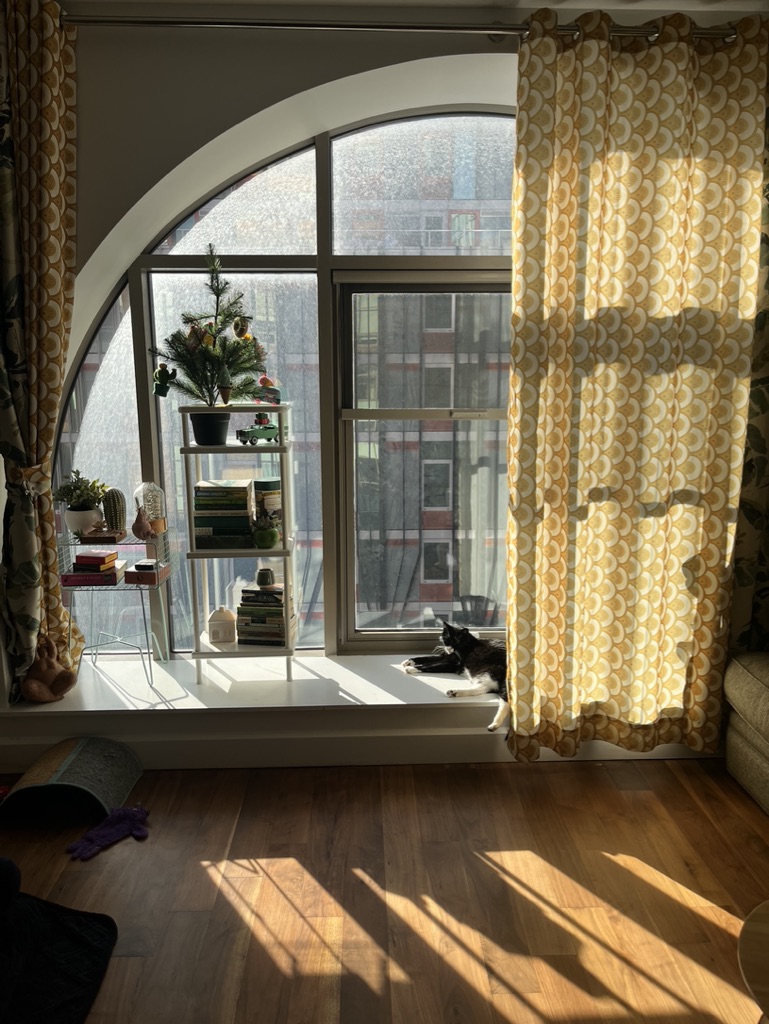
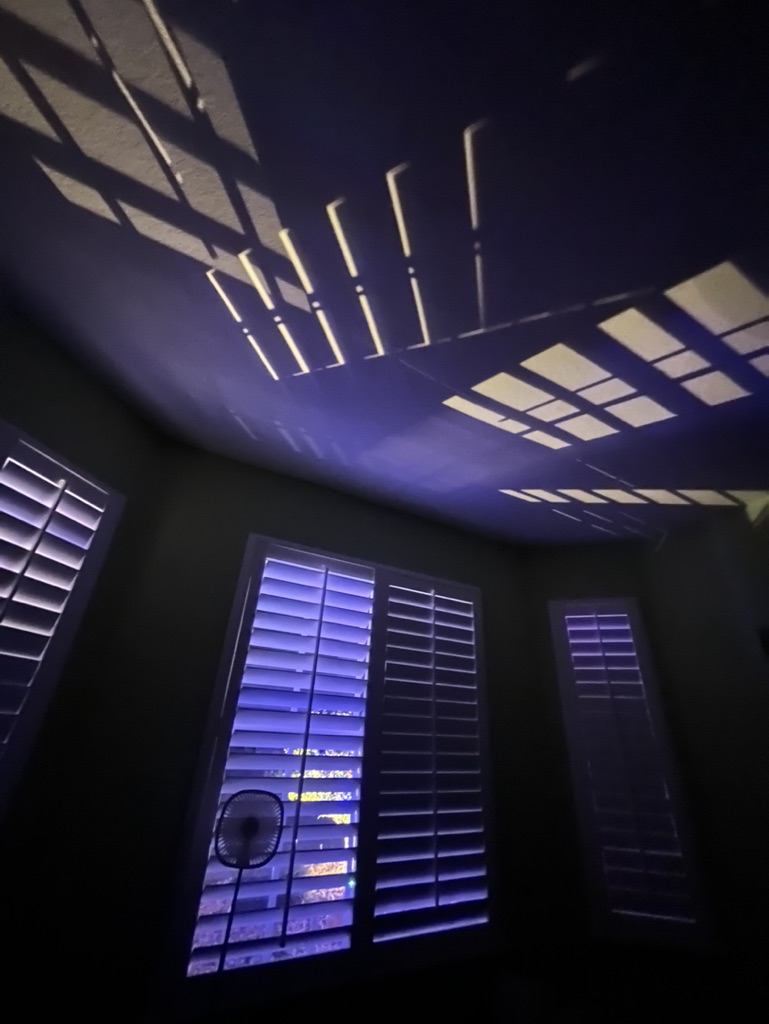
and my apartment is dark
even though it’s morning.
Often sitting in the dark,
waiting for the light to come back in.)
VI. Uncontainable
I wonder what it’s like to be hollow,
insides scooped out like a rotten pumpkin—
and this delays sleep for hours, but
when I dream tonight,
you’re brainsickly instead.
Our limbs are made of stickythick syrup.
I flow warm into you,
we harden into one,
and when we splinter
the pieces taste so sweet.
But when I’m with you
I don’t want to take up space.
I imagine myself 1000 feet up,
diving down into a dainty teacup—
swirling, squeezed lemon, sugar cubes,
scalding hot.
Smash the teacup, I balloon back.
All body, bigger than before.
Break the door down.
I’m growing by the second.
My fingers reach in—
stale, yellow piano keys.
I bend your legs,
sit you in the dollhouse.
My stomach vibrates like an eager violin.
Your legs now spiderwebs,
the bedposts are flies.
VII. Face It
I hold out my hand,
and you quickly fold my arm back toward my mouth.
I have to eat it all again myself,
absorbing it back inside
with more discomfort than the first time.
How many times will you make me eat my whole heart?
I’m writing this with your face
pinned to a wall.
Next to it, written: “NOT-you.”
And that helps, I think.
I sit so long,
not thinking of you,
the sun comes
through my window
and sits upon your head.
Angered, I stand
between you and the sun.
Once your face is gone:
At a desk chair in the bedroom,
I play crooners—
husky and sad—
and do nothing else.
There is nothing else to do.
VIII. Closing Credits
I always wanted my own soundtrack—
with climactic melodies
and matching motor actions.
I smile in my movie,
but that doesn’t mean I don’t know.
It’s different. Altered.
Colors are melted together,
blurry edges.
Dreamy smudged frames.
Awareness and weariness are bags in my hand,
and I drop them on the floor
to put mine in yours.
It’s time to stop rushing.
My lids close tightly, quickly—
each a fallen blade of a guillotine—
severing my eyes from tears,
my sight from thoughts.
Imagine the gasps of delight
as the crowd surrounds.
The humming buzz of an old-timey projector—
the last sound I hear by the deathbed.


 whyareyouyelling.com